New book: Leading AI-Native Teams is out now. Get it on Amazon

Work

Things I’ve built, and teams I’ve built them with.

A cross-section of products, platforms and programs. Today I’m a Business Architect for Microsoft IQ; everything here is what I’ve built and led before and alongside that.

Products I’ve built

Agentic AI platform

Two Out Barrels

Role
Founder, architect and builder
Stack
Multi-agent orchestration, Model Context Protocol, computer vision, multi-model evaluation, Amazon Bedrock, AWS serverless
Link
2outbarrels.com

The problem

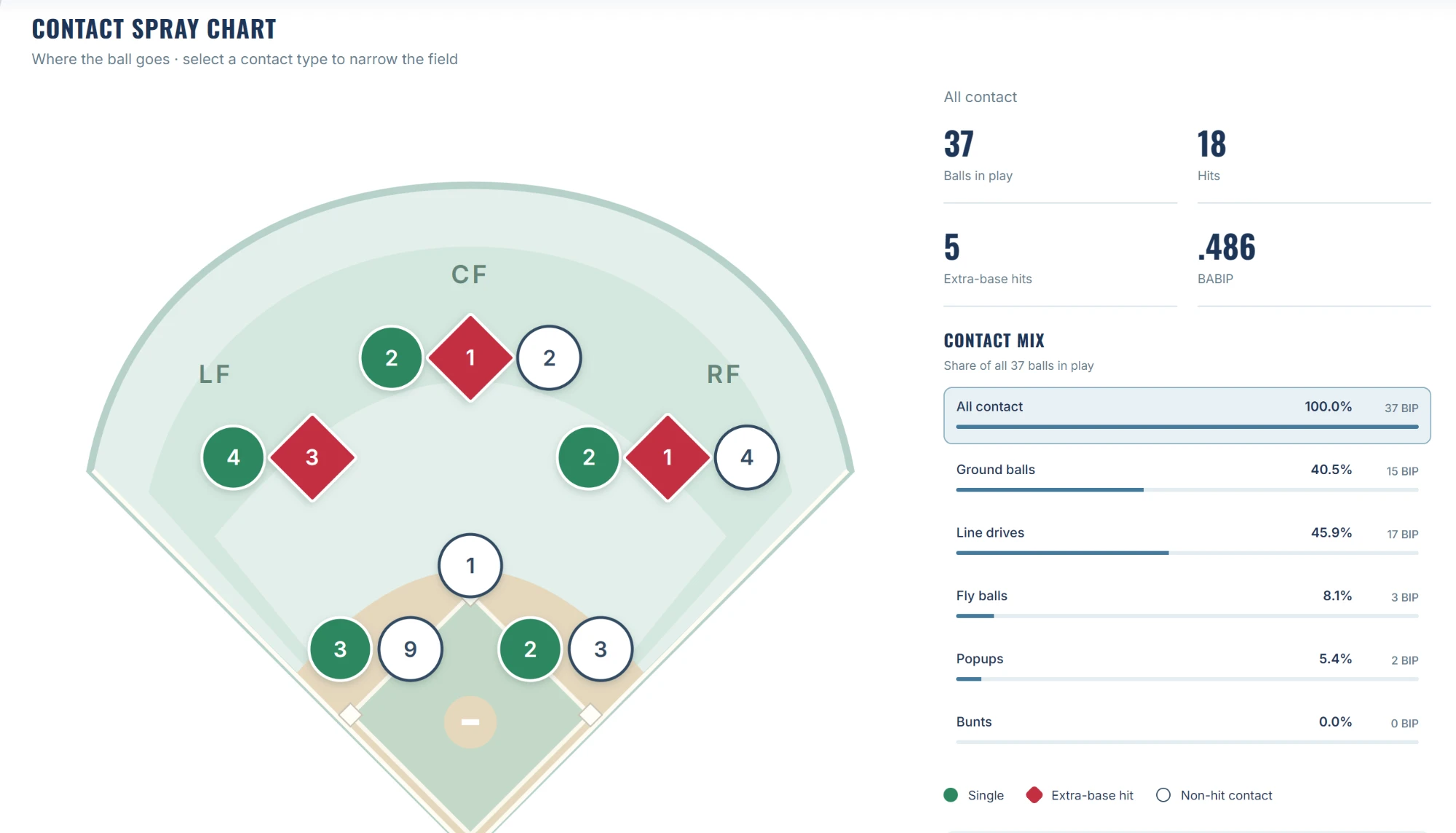
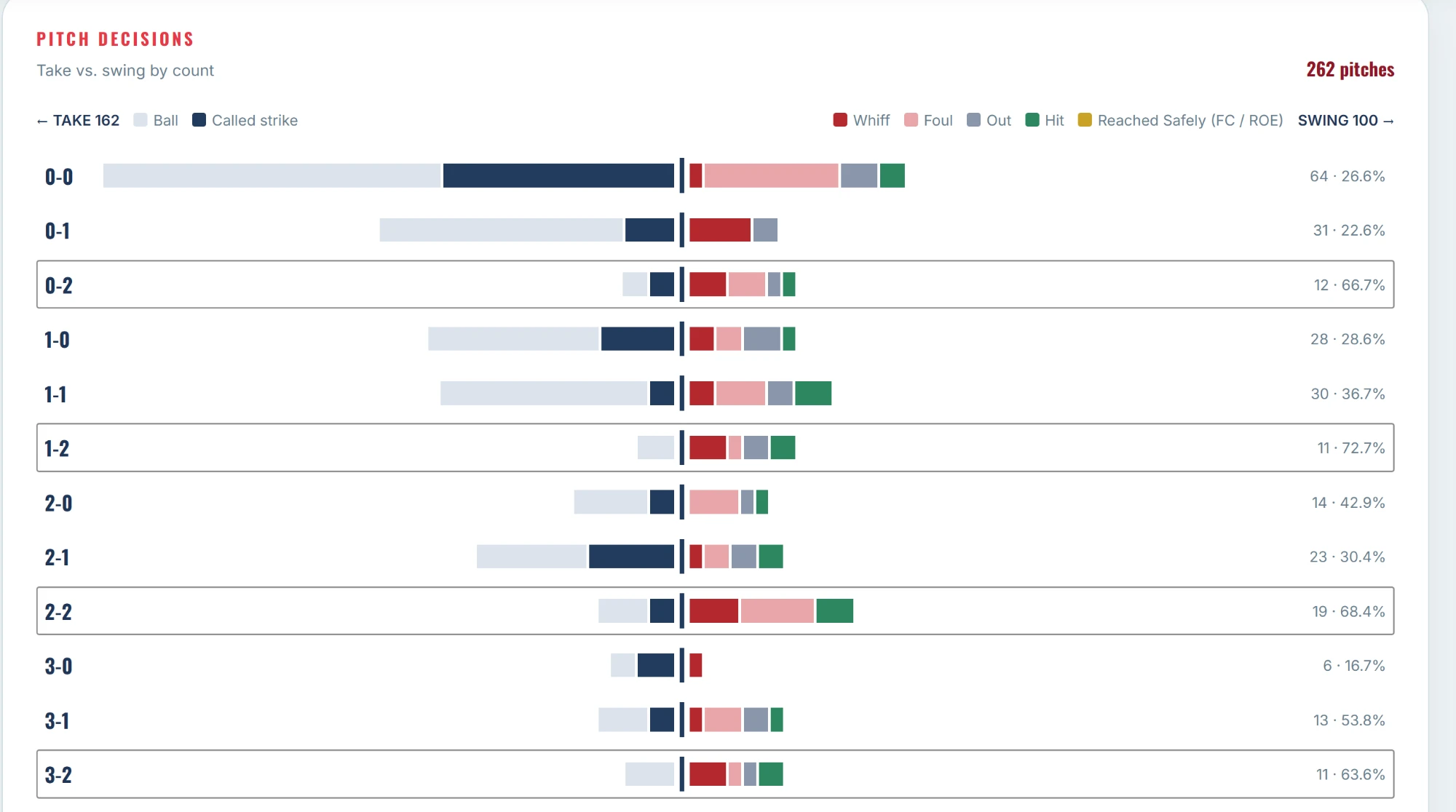
Youth and travel baseball generates a flood of raw data: play-by-play logs, box scores, radar readings and video. Coaches and scouts have no time to turn it into insight, and generic chatbots make things up when they try.

What I built

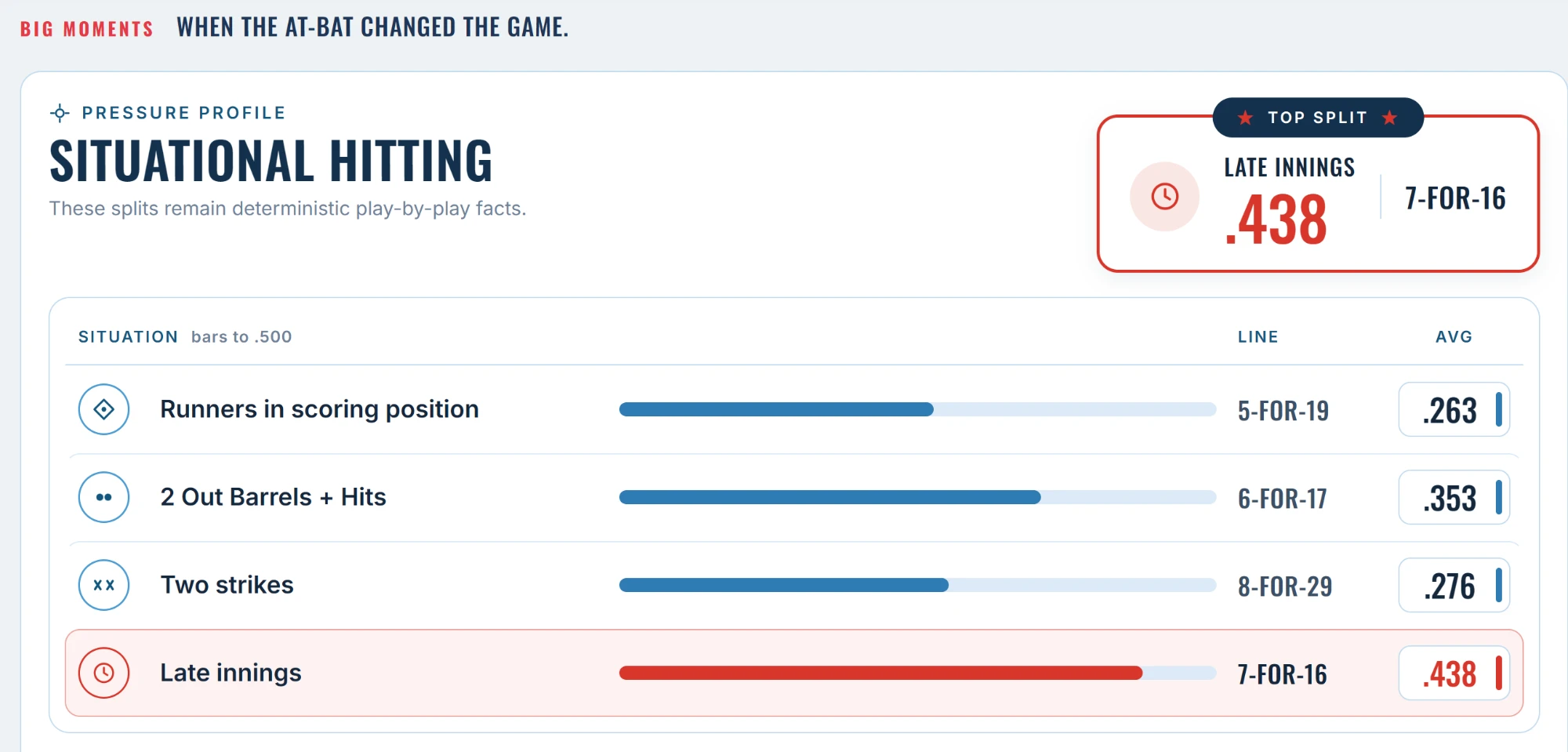
An agentic AI platform that turns raw play-by-play and video into scouting reports, coaching analytics and player development insight. The backend is an agentic workload manager: it breaks each analysis request into steps, routes them across specialized data and reasoning agents, and returns structured, source-grounded output. A custom Model Context Protocol (MCP) server exposes the analytics layer and generates coach-facing hitting and pitching reports for several travel organizations and a high school program.

Computer-vision analyzers grade swing and pitching mechanics. Early versions of the swing analyzer made things up, so I rebuilt it as mandatory staged reasoning: it may only take a measurement when the camera angle allows it, and an independent verifier checks every result. The pitching analyzer classifies each pitcher’s archetype, works from checkpoint frames and refuses footage too poor to judge.

Underneath sit wOBA and wRC+ leaderboards with age-cohort baselines, a 0–100 composite player rating and a scouting engine that surfaces under-recruited players to regional scouts. I’m also prototyping an AI official scorer, built from tournament video labeled with GameChanger timestamps and evaluated on Amazon Bedrock.

To choose models with evidence rather than instinct, I built a multi-model evaluation harness that compares LLMs on video extraction and interpretation. The product itself was built with AI coding agents (Kiro, Claude Code and OpenAI Codex) as primary builders, with me as architect and reviewer.
Taking it to market

I run go-to-market myself: the brand, social growth with high school players, tournament partnerships and sponsor outreach. Free tools (Tournament Intelligence and Swing Analyzer) bring players and coaches in, a paid subscription tier sits on top, and the platform covers PBR Colorado showcase tournaments on consecutive weekends.

Why it matters to you

This is the same pattern that works in the enterprise: decompose the work, ground every answer in source data, verify what the model claims, evaluate models objectively and expose capabilities through open protocols. And then get people to use it.

  • LiveFree tools, a paid tier and weekend PBR Colorado coverage
  • MCPCoach reports for travel organizations and a high school program
  • VerifiedStaged reasoning and an independent check on every swing measurement
Serverless on AWS

Tournament pitch tracker

Role
Product owner and architect
Stack
React, CloudFront, S3, API Gateway, Lambda, DynamoDB, AWS CDK

The problem

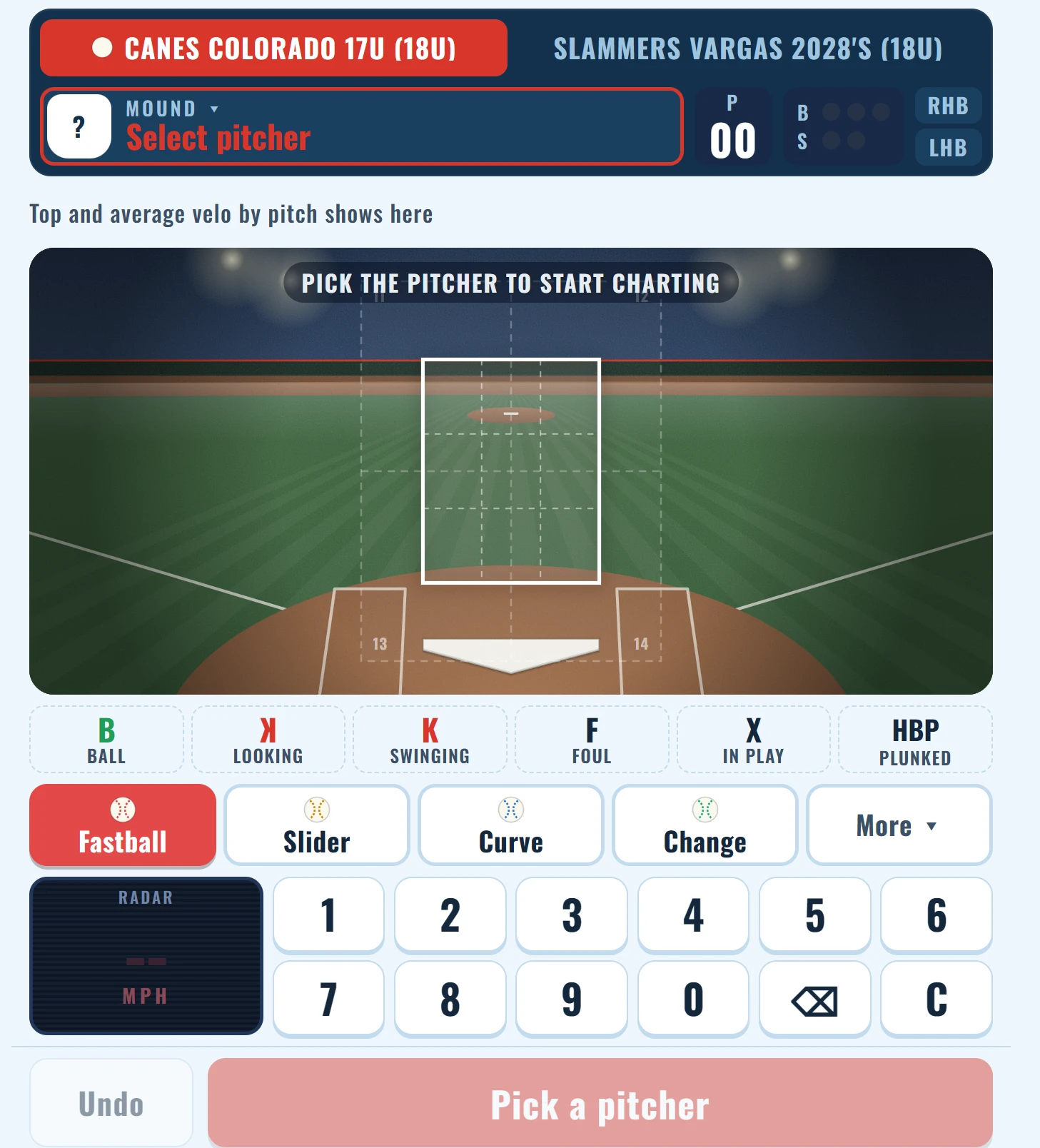
Tournament staff needed to chart every pitch (type, velocity and location) from a phone at the ballfield, where the cell signal comes and goes, without ever losing or double-counting data.

What I built

A phone-first app that saves every pitch on the device first and syncs in order when the signal returns. Every pitch carries its own ID, so a retry never counts a pitch twice. A service worker caches the app, schedule and rosters, so a game loaded in the parking lot still opens with no signal.

Production runs serverless on AWS (CloudFront and S3 for the app, an HTTP API on Lambda and DynamoDB for data), defined in AWS CDK. It costs close to nothing between tournaments. Reference data such as tournaments, schedules and rosters is pulled from the Two Out Barrels platform through its MCP interface.

  • Offline-firstWorks with no signal and syncs safely later
  • Near-zero idle costPay-per-request serverless design
  • Director viewsLeaderboards, arsenals and CSV export

Production web on AWS

Fast, secure static sites, this one included

Role
Architect and builder
Stack
S3, CloudFront, Route 53, ACM, Lambda, SES, CloudFormation, GitHub Actions

What I built

fiatnovena.com is an installable, offline-capable prayer app that keeps every user’s data on their own device. Its content is generated from a sourced research pipeline and checked by automated tests. serviamrex.com, the site you are reading, is built the same way.

Both run on a private S3 bucket behind CloudFront with HTTPS, strict security headers, a content security policy and a monthly budget alert. Everything is defined in CloudFormation. GitHub Actions deploys use OIDC for short-lived credentials, so no AWS keys are stored anywhere, and a failing test stops a deploy. This site’s contact form is a small Lambda function sending through Amazon SES.

  • ~$1/monthTypical hosting cost at small-business traffic
  • No stored keysOIDC-based deployments from GitHub
  • TestedEvery deploy runs the test suite first

Recent builds

Smaller projects from the last few months, each built in a series of chat sessions with AI coding agents.

Book and companion site

Made for the Fight

My mental toughness book for high school ballplayers, and the companion site where players read article one and get the Battle Cards.

madeforthefight.com

Small-business booking site

Unforgettable Details

A site for a vintage-inspired event rental business in Northern Colorado. Customers build a quote, the owner prices it from an admin console, and the customer pays the deposit by card through Stripe.

unforgettabledetails.com

Prayer app

Fiat Novena

Novenas with Our Lady: an installable prayer app that works offline and keeps every user’s data on their own device.

fiatnovena.com

How I build

Almost everything on this page was built with AI coding agents as the primary builders and me as the architect and reviewer. Claude Code, OpenAI Codex and Kiro each take on real pieces of work: I set the priorities and the standards, plan the work before it starts, and check what comes back.

I’ve also set up a fleet of Grok bots for repeat jobs, like posting Two Out Barrels’ all-tournament teams to X. Leading agents turned out to look a lot like leading people, which is what Leading AI-Native Teams is about.

Programs I’ve led

Agentic AI in insurance

Agentic AI for insurers

Role
Leader, Solutions Architecture, U.S. West Coast Insurance, Amazon Web Services (2025 to 2026)
Focus
Underwriting, claims and retirement operations; intelligent document processing on Amazon Bedrock

The challenge

Insurance and financial services customers wanted to know where agentic AI could change underwriting, claims and retirement operations, and how to take document-heavy workflows from proof of concept into production.

What we did

I led a team of 9 solutions architects covering more than 40 insurance and financial services customers on the U.S. West Coast, a portfolio of about $300M. I advised their executives on where agentic AI changes underwriting, claims and retirement operations, then turned that direction into funded architecture roadmaps. Our agentic AI programs ran on Amazon Bedrock (AgentCore, Data Automation and Strands) and moved intelligent document processing from proof of concept into production against core business workflows.

The rest of the job was people: relationships with customer C-suite decision makers, delivery across sales, specialists and partners, and owning the team’s development, from weekly one-on-ones to the leadership pipeline.

  • 9Solutions architects on the team
  • 40+Insurance and financial services customers
  • ~$300MCustomer portfolio

Enterprise AI go-to-market

The first wave of generative AI

Role
Americas Region Leader, Global Black Belt, Apps and AI, Microsoft
Scope
19-person specialist organization, $650M annual Azure revenue

The challenge

Before generative AI reached the public market, the largest enterprises in the Americas needed to understand what Azure OpenAI and GitHub Copilot could do, and the product teams needed to learn what customers actually needed.

What we did

I established Microsoft’s earliest field go-to-market for Azure OpenAI and GitHub Copilot and ran more than 100 enterprise engagements that shaped both how customers adopted the technology and the product feedback behind it. I authored the strategic account plan for the region’s top 50 accounts, covering $953M in Azure consumption, and set multi-year application modernization and AI direction for those enterprises.

Through several company reorganizations, the team stayed intact and sustained $650M in annual Azure revenue.

  • 100+Early enterprise generative AI engagements
  • $953MTop-50 strategic account plan
  • 125+Published customer stories

Hands-on adoption

Codeslingers hackathons

Role
Co-creator and facilitator
Format
Half a day of AI fundamentals, then a two-day, competition-style hackathon

The idea

Training sessions teach features; building something real changes minds. With Lynn Orrell, one of the best engineers I’ve worked with, I created Codeslingers: half a day training a customer’s teams on the practical fundamentals of adopting AI, then two days in a competition-style hackathon building a real solution to a scenario they chose, with their business, their data and their problem. Every team presented, and the executive sponsor chose a winner.

What happened

We ran more than twenty-five of these engagements, and multiple use cases went into production as working systems, not demo apps that died the Monday after. Weeks later the deeper follow-up questions would arrive: where else AI could help, and how the cloud architecture should be shaped.

It worked because of what happened in the room. We showed teams how to adopt the technology and how to work together, and those turned out to be the same problem. It is still one of the fastest ways I know to get a team building with AI.

  • 25+Customer engagements
  • ProductionMultiple use cases shipped as working systems
  • 2.5 daysFrom fundamentals to a presented solution

AI-native organization

Scaling an AI-native sales organization

Role
Global Sales Leader, Digital Enterprise Sales, Microsoft
Scope
United States, Canada, France and the Netherlands

The challenge

Build an entirely new commercial coverage motion for public sector and education customers, as a strategic company pilot, and reach accounts the field had no efficient way to reach.

What we did

I grew the organization from 12 to 45 people across four countries and sponsored the development of an agent-driven prospecting tool that combined market and firmographic data to open under-developed subsidiary accounts. I also created a technical upskilling program and earned five foundational certifications myself in the first two weeks to set the standard.

  • $15M+Net-new white-space revenue from 180+ opportunities
  • 100%Team certification; 80% across the organization
  • 92Leadership effectiveness score

Open-source enablement

Cloud-native workshops and reference code

Role
Director and technical specialist, Global Black Belt
Links
CloudNativeGBB and codingwithsasquatch on GitHub

What we built

The cloud-native teams I led and worked in published open workshops and reference implementations so that customers could adopt new platforms safely and quickly. Highlights include an advanced AKS secure baseline workshop, a webinar series on configuring, securing and extending Azure Kubernetes Service, Azure Arc for Kubernetes GitOps and policy demos, and dozens of serverless, event-driven, Service Fabric, IoT and bot samples.

Earlier, as an application development specialist, I architected cloud-native and modernization solutions across Cognitive Services, Service Fabric and AKS, reaching 256% of quota and earning the GBB Global Impact Award.

  • 256%Quota attainment as a technical specialist
  • Global ImpactGBB award for customer outcomes
  • OpenWorkshops and samples published on GitHub

Want this kind of work on your own problem?

Start with a 30-minute conversation. Bring the workflow, the stalled pilot or the team question that keeps coming up, and you’ll leave with a next step, whether or not we work together.